
iPhone ile Taş Envanteri: €20K Levha Tarayıcılarını Geride Bırakın
Fabrikatörler, on yılı aşkın süredir özel levha tarama sistemlerine €15.000 ile €25.000 arasında harcama yaptı. iPhone LiDAR, donanım açığını maliyetin yalnızca %5'ine kapatıyor. 2026'da iPhone tabanlı envanter kullanan bir taş fabrikasyon atölyesinde neler değiştiğini, doğruluğun nerede yettiğini ve nerede yetmediğini aşağıda bulabilirsiniz.
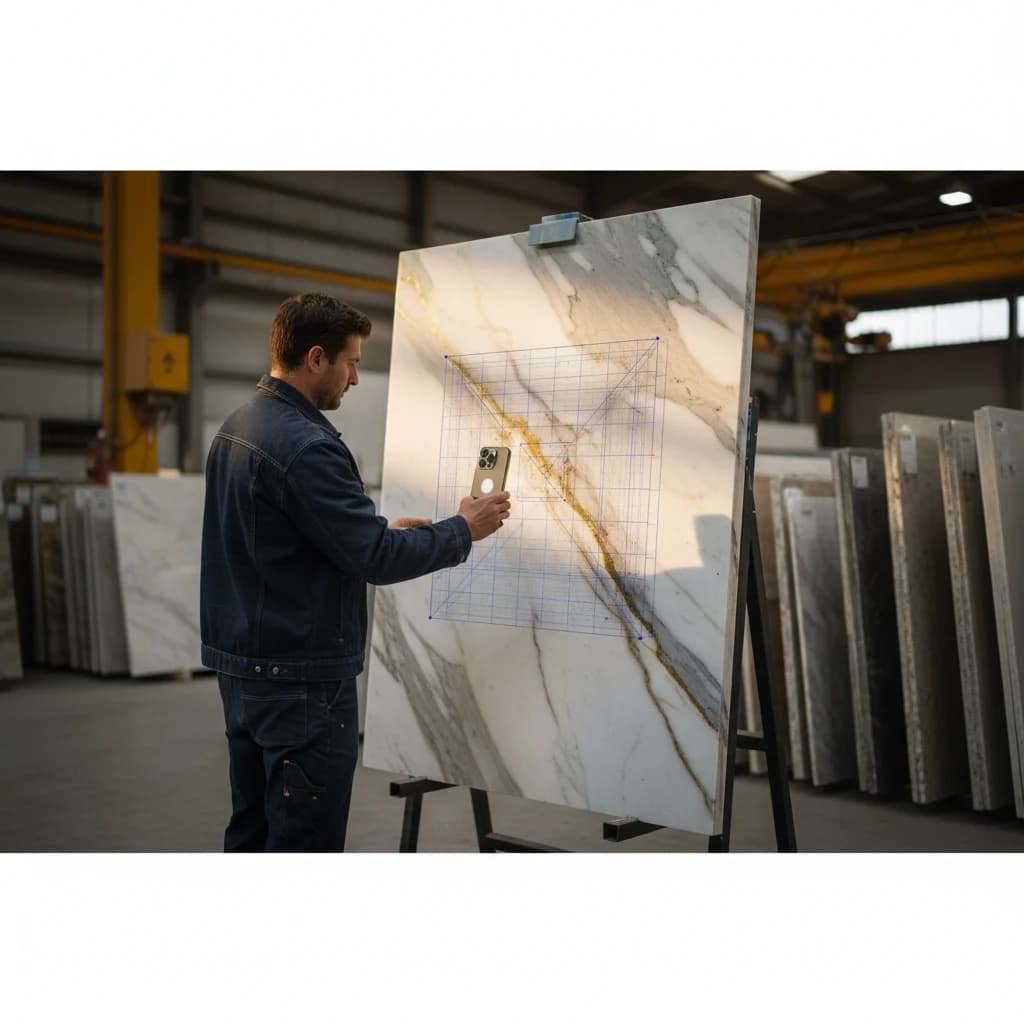
iPhone taş envanteri €20K levha tarayıcılarının yerini nasıl alıyor
Son on yılın büyük bölümünde, doğru dijital levha envanteri isteyen bir fabrikatörün iki seçeneği vardı. Her levhayı fotoğraflayıp ölçen bir hizmet satın almak. Ya da €15.000 ile €25.000 arasında değişen özel bir tarama sistemine yatırım yapmak. Her iki yol da 3m x 2m boyutundaki bir levhanın hassas ölçümünün uzmanlaşmış donanım gerektirdiğini varsayıyordu.
Bu varsayım artık geçerli değil. iPhone 12 Pro'nun 2020 sonunda LiDAR sensörüyle birlikte piyasaya çıkmasından bu yana, her Pro seviyesi iPhone, başlangıçta AR derinlik haritalama için tasarlanmış bir doğrudan uçuş-süresi (dToF) tarayıcı taşıyor. Doğru yazılımla birleştirildiğinde bu sensör, levha envanteri, konteyner planlaması ve fabrikasyon aşamasındaki kararların büyük çoğunluğu için yeterli olan, birkaç milimetre içinde hacimsel ölçümler üretiyor.
2026'da fabrikatörler için pratik soru artık akıllı telefon taramasının yeterince doğru olup olmadığı değil. Sorun, iş akışının, yazılım entegrasyonunun ve ekip adaptasyonunun bir geçişi destekleyip desteklemediği.
Bir fabrikasyon atölyesinin özel tarayıcı yerine iPhone Pro üzerinde mobil levha tarama uygulaması kullandığında neler değiştiği işte bu.
iPhone taş envanteri nedir?
iPhone taş envanteri; LiDAR özellikli bir envanter uygulaması çalıştıran Pro seviyesi bir iPhone (12 Pro veya üstü) kullanılarak doğal taş levhaların kataloglanması, ölçülmesi ve takip edilmesi uygulamasıdır. Telefon, 30 ila 60 saniyelik tek bir tarama ile levha boyutlarını, yüzey görüntüsünü ve benzersiz bir tanımlayıcıyı yakalar; ardından verileri merkezi bir envanter sistemine senkronize eder.
Fabrikatörler için geleneksel özel bir tarayıcıdan farklar dört noktada özetlenebilir:
- Donanım maliyeti. iPhone 15 Pro perakende satış fiyatı yaklaşık €1.199; özel bir sabit tarayıcı ise €15.000 veya daha fazlasına mal olmaktadır.
- Mobilite. Aynı cihaz levha sahasında, müşteri katında, konteyner boşaltma sırasında ve uzak bir tedarikçi tesisinde kullanılabilir.
- Doğruluk. iPhone LiDAR, mevcut ARKit kafes füzyonuyla tipik levha tarama mesafelerinde yaklaşık +/-2cm doğruluk sağlar. Bu, envanter ve çoğu fabrikasyon planlaması için tolerans dahilindedir; ancak milimetrenin altı kesme hazırlığı için özel tarayıcılar hâlâ üstündür.
- İş akışı. Tek bir cihaz; tarayıcının, kameranın, mezura ve pano ile özel tarama istasyonunun yerini alır.
"€15K taban fiyatı hiçbir zaman yalnızca bir donanım sorunu değildi. İş akışı kilitleme sorunuydu. Herhangi bir ekip üyesi, herhangi bir levhayı herhangi bir yerde tarayabildiğinde, teslim alımdan müşteriye uzanan tüm süreç günler kadar kısalıyor."
Maria Konstantinou, Noria Strata Teknoloji Direktörü
€20.000 donanım sorunu
Fabrikatörlerin tarihsel olarak dijital levha envanteri için ödediği maliyetler şu şekilde:
| Sistem | Donanım maliyeti | Doğruluk | Alan İzi |
|---|---|---|---|
| Özel levha tarayıcı (satıcı fiyatı, sektör tahmini) | €15.000-25.000 | +/-1mm | Sabit kurulum, kontrollü aydınlatma |
| Fotogrametri kiti + DSLR | €4.000-8.000 | +/-5-10mm | Tripod, kontrollü aydınlatma |
| Manuel ölçüm + elektronik tablo | €0 donanım | +/-15-25mm | Mezura, pano |
| iPhone Pro + LiDAR uygulaması | €1.199 + uygulama aboneliği | +/-2cm | El tipi, her yerde |
€15.000 taban fiyatı, 2021'e kadar "gerçek" dijital levha envanterinin giriş fiyatıydı. Haftada 50 levha işleyen bir fabrikatör için bu donanım yatırımının amortismanı, yazılım ve eğitim maliyetleri hesaba katılmadan önce 24 ila 36 ay sürüyordu.
iPhone LiDAR bu taban fiyatı yıkıyor. Donanım geri ödeme süresi yıllardan haftalara iniyor. Çoğu atölye için cihaz, önlenen anlaşmazlıklar ve kazanılan zamanla ilk ayda kendini amorti ediyor.
iPhone LiDAR levha taraması nasıl çalışır
Modern bir iPhone Pro, endüstriyel LiDAR taraması için birleşen üç donanım parçası içerir:
- Arka kamera dizisinde dToF LiDAR sensörü, yaklaşık 5 metrelik etkin menziliyle
- Apple Neural Engine, derinlik haritasını gerçek zamanlı işleyen
- ARKit çerçevesi, LiDAR verilerini RGB görüntü ve hareket sensörleriyle birleştiren
Levha taraması için iş akışı dört adımda işler:
1. Adım: Levhayı konumlandırın. Çoğu uygulama, levha dikey (A-çerçevesinde) veya 70 ila 80 derecelik açıyla eğik olduğunda en iyi sonucu verir. Aydınlatma ortam ışığı olabilir. Envanter kalitesinde taramalar için kontrollü stüdyo aydınlatması gerekmez.
2. Adım: Levhayı tarayın. Operatör telefonu levhaya yönelterek 50 ila 80cm mesafede levhanın yüzeyinde yavaşça geçer. LiDAR derinliği, kamera rengi, IMU ise konumu yakalar. Standart 3m x 2m levha için tarama 30 ila 60 saniye sürer.
3. Adım: Yan profili yakalayın. Kalınlık için operatör levha kenarını tarar. Çoğu uygulama arka yüze erişilemiyorsa nominal kalınlığı varsayar.
4. Adım: Etiketleyin ve senkronize edin. Levha benzersiz bir kimlik alır -- genellikle levhaya yapıştırılan basılı bir QR kod -- ve tarama, boyutlar, renk profili ile meta veriler envanter veri tabanıyla senkronize edilir.
Tarama çıktısı, gömülü RGB dokusuna sahip 3B kafes ile hesaplanan boyutlardır: uzunluk, genişlik, kalınlık, yüzey alanı ve hacim.
Fabrikasyon atölyesi iş akışında neler değişiyor
Mekanik iş akışı değişikliği küçük. İş akışı sonuçları ise büyük.
Öncesi, geleneksel tarayıcıyla:
- Levhalar tarama istasyonunda kuyruk oluşturur
- Tek bir eğitimli operatör, belirlenen zaman dilimlerinde tarama yapar
- Tarama verileri tarayıcının özel yazılımında saklanır
- Müşteriye yönelik envanter gecelik veya haftalık güncellenir
Sonrası, iPhone üzerinde mobil levha tarama uygulamasıyla:
- iPhone'u olan herhangi bir ekip üyesi, herhangi bir levhayı, herhangi bir yerde tarayabilir
- Taramalar normal işlem sürecinde gerçekleşir: saha gelişleri, konteyner boşaltma, müşteri gösterimleri
- Veriler buluta gerçek zamanlı senkronize edilir
- Müşteriye yönelik envanter, levha sahasını 30 saniye öncesiyle yansıtır
Fabrikatörlerin en tutarlı şekilde bildirdiği üç iş akışı kazanımı:
- Daha hızlı teslim alım. Konteynerler boşaltılırken kataloglanabilir, boşaltıldıktan sonra değil.
- Canlı müşteri envanteri. Müşteriler, bu sabah gelen levhalar dahil, zeminde gerçekte ne olduğunu görür.
- Azaltılan anlaşmazlıklar. Her levhanın teslim alımdan itibaren kesin hacimsel kaydı bulunduğunda, tedarikçi ve müşteri anlaşmazlıkları bellekle değil verilerle çözümlenir.
iPhone LiDAR'ın uygun olduğu ve olmadığı yerler
Yaygın bir endişe, iPhone LiDAR'ın özel tarayıcıların +/-1mm doğruluğuyla boy ölçüşemeyeceğidir. Bu doğrudur. Ancak çoğu fabrikasyon iş akışı için buna gerek yoktur.
| Kullanım durumu | Gereken doğruluk | iPhone LiDAR yeterli mi? |
|---|---|---|
| Levha envanteri ve kataloglama | +/-10mm | Evet |
| B2B ticareti için hacimsel fiyatlandırma | +/-2cm | Evet |
| Konteyner yük planlaması | +/-10mm | Evet |
| Müşteri levha seçimi (showroom) | Görsel + +/-2cm | Evet |
| CNC kesme yolu oluşturma | +/-1mm | Hayır, özel tarayıcı kullanın |
| Eşleştirilmiş (bookmatch) levha eşleştirme | +/-1mm + renk bilimi | Kısmen: iPhone boyutları karşılar, renk spektral analiz gerektirir |
Karar "iPhone her yerde özel tarayıcının yerini alır" değildir. Karar şudur: "iPhone, +/-2cm'nin yeterli olduğu taramaların %80'ini karşılar; özel ekipman, milimetrenin altı hassasiyet gerektiren %20 için yerinde kalır."
Standart mutfak ve mimari işler yürüten çoğu fabrikatör için +/-2cm, teslim alımdan müşteri gösterimine kadar her şeyi kapsar. €1.199'luk bir cihaz, daha önce €20.000'lik donanım gerektiren iş yükünün %80'ini üstlenir.
Tipik bir fabrikasyon atölyesi için ROI
Haftada 50 levha (yaklaşık yılda 2.500 levha) işleyen bir fabrikasyon atölyesi için:
- Tasarruf edilen donanım maliyeti: Özel tarayıcıya kıyasla €15.000 ile €20.000 arası (tek seferlik)
- Kazanılan tarama süresi: Merkezi tarama istasyonu kuyruğu ortadan kalkarak haftada 4 ila 6 saat
- Önlenen anlaşmazlıklar: %7,3'lük sektör bazlı renk kaynaklı anlaşmazlık oranında (IIMSR, 2023), %50'lik bir azalma bile yılda yaklaşık 90 önlenen anlaşmazlık anlamına gelir
- Müşteriye yönelik envanter doğruluğu: Manuel sistemlerde %70 ile %80'den gerçek zamanlı tarama senkronizasyonuyla %95 veya üzerine
iPhone tabanlı bir sistemin geri ödeme süresi genellikle 1 ila 3 aydır. Bunu sağlayan donanım farkı değil, önlenen anlaşmazlıklar ve kazanılan zamandır.
Sıkça sorulan sorular
iPhone LiDAR, Nero Marquina veya Black Galaxy gibi koyu taşlarda çalışır mı?
Evet. dToF sensörü, çıplak gözle görünmez ancak koyu yüzeylerden yeterince yansıyarak temiz derinlik haritaları oluşturan 940nm kızılötesi ışık kullanır. Doğrudan güneş ışığında yüksek cilalı siyah taşlarda performans düşebilir; ancak iç mekan ve gölgeli dış mekan taramaları güvenilir biçimde çalışır.
iPhone LiDAR, taşıma rafındaki bir levhayı tarayabilir mi?
Evet. Tarama, levhanın düz olmasını gerektirmez. Rafa yerleştirilmiş veya A-çerçevesindeki levhalar tipik tarama duruşudur ve çoğu levha envanteri uygulaması bunlar için ayarlanmıştır.
Hangi iPhone modellerinde LiDAR bulunur?
LiDAR; iPhone 12 Pro, 13 Pro, 14 Pro, 15 Pro, 16 Pro ve 17 Pro ile bunların Max varyantlarında yer alır. 2020 ve sonrasındaki iPad Pro modelleri de LiDAR içerir. Standart Pro olmayan iPhone'larda LiDAR bulunmaz.
Tarama, renk eşleştirme için yüzey görüntüsü içeriyor mu?
Evet. RGB kamera, derinlik taramasının yanı sıra levha yüzeyini de yakalar. Bu görüntü, envanter gösterimi ve müşteriye yönelik önizlemelerin temeli olur. Delta-E-1'in altındaki eşiklerde bilimsel renk eşleştirme için fotoğrafik yakalamanın üzerine spektral analiz katmanı gerekir. Bu ayrı bir iş akışıdır.
Kimliksiz gelen levhalar nasıl yönetilir?
Teslim alımda operatör levhayı tarar, benzersiz bir kimlik oluşturur, bir QR çıkartma basar (veya önceden basılmış etiket yapıştırır) ve levhaya yapıştırır. Tarama ve kimlik o andan itibaren bağlanır; levha, kalan ömrü boyunca bu kimliği taşır.
2026'da levha yazılımı değerlendiren fabrikatörler için ne anlam ifade ediyor
Doğruluk, verim, toplam sahip olma maliyeti ve iş akışı entegrasyonu açısından mobil ile özel tarayıcıları karşılaştıran kapsamlı analiz için alıcı rehberi kardeş makalemize bakın.
iPhone LiDAR değişimi, fabrikatörlerin artık "dijitale geç ve donanıma €20K harca" ile "manuel kal" arasında seçim yapmak zorunda olmadığı anlamına gelir. Doğru envanter yazılımıyla eşleştirilen €1.199'luk bir cihaz, özel tarayıcıların sağladığı şeyin büyük bölümünü donanım maliyetinin %5'ine sunar.
Kalan karar yazılım tarafındadır. iPhone tabanlı bir levha envanteri platformunu değerlendirirken sorulmaya değer sorular:
- Platform taramaları gerçek zamanlı bir envanter veri tabanıyla mı senkronize ediyor, yoksa telefonda yerel olarak mı saklıyor?
- Halihazırda kullanılan sipariş, teklif ve müşteri portalı sistemleriyle entegre oluyor mu?
- Yalnızca levha sahasını mı yoksa yukarı akış tarafını da (taş ocağı, tedarikçi, konteyner) kapsıyor mu?
- Yalnızca boyutları mı yoksa bookmatch eşleştirmeyi, renk profillerini ve anlaşmazlık belgelerini de yönetiyor mu?
NoriaStrata'nın levha envanteri modülü, özellikle iPhone LiDAR taramasının etrafında kuruldu; çünkü donanım değişimi, daha önce pahalı olan bir iş akışını orta ölçekli fabrikatörler için erişilebilir kılıyor. Platform; taramayı, benzersiz kimliği, envanter senkronizasyonunu, müşteri portalını ve yukarı akış taş ocağından fabrikatöre ticaret akışını tek bir sistemde yönetiyor.
NoriaStrata'da iPhone LiDAR levha envanterinin nasıl çalıştığını görün